
 A simple laundry-basket system stops the daily hunt for matching socks and gives kids one job they can actually own.
Kitchen Table Engineering: Building Bridges and Towers From Pantry Staples
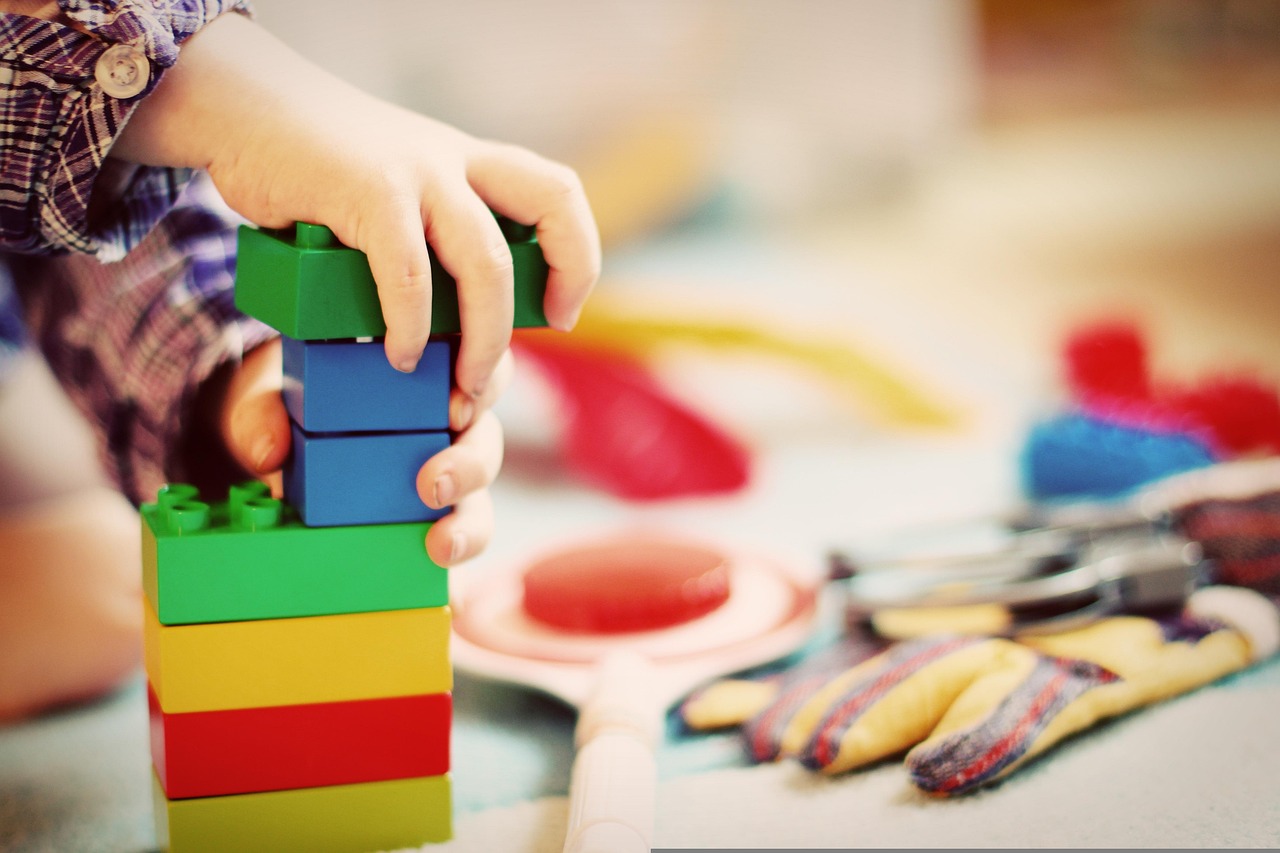
Some of the best family afternoons don't require a craft store run or a screen. They just need a few things you already have in the kitchen and a challenge worth solving. Building structures from pantry staples is one of those activities that hooks kids almost immediately, works for a wide range of ages, and quietly sneaks in real engineering thinking without anyone noticing.
The materials are simple: dried spaghetti or toothpicks for beams, marshmallows or soft gummy candies for joints. That's it. With those two ingredients, you can build bridges, towers, domes, and whatever else your family dreams up. The soft candies act as flexible connectors, and the stiff sticks provide structure. Together they make a building set that costs almost nothing and can be rebuilt endlessly.
Set everything out on a table or a tray, give each person a small pile of materials, and start with a warm-up challenge. The first goal is just to build the tallest freestanding tower that can stand on its own for ten seconds. Everyone will fail the first few times, and that is exactly the point. Failure here is fast, safe, and informative.
Building Challenges That Keep Everyone Engaged
Once everyone has the basic feel for connecting sticks and candies, introduce a series of escalating challenges. A bridge that spans a gap between two books and holds a small toy car. A tower that can support a book on top. A structure tall enough to reach a certain height but narrow enough to fit through a cardboard tube.
The magic of these challenges is that they give the activity a clear goal without prescribing a solution. Kids quickly discover that triangles are stronger than squares, that wide bases beat narrow ones, and that adding more material isn't always the answer. They learn by watching their own structures wobble and collapse, then adjusting.
For younger kids, keep the challenges simple and hands-on. Building a single tall tower together, with you holding pieces while they place them, is plenty. For older kids, add constraints: a limited number of sticks, a time limit, or a requirement that the structure survive a gentle fan or a light shake. Constraints force creativity and often lead to the most interesting designs.
A fun twist is to build with a purpose. Can you make a chair for a stuffed animal? A house with a roof? A bridge that a toy boat can pass under? Giving the structure a story or a job keeps kids invested long after the novelty of sticking pasta into marshmallows wears off.
What Kids Actually Take Away From This
On the surface, this is just a fun mess of snacks and sticks. Underneath, it's a lesson in how the physical world works. Kids are practicing spatial reasoning, testing hypotheses, and learning to iterate. They're also experiencing the specific satisfaction of solving a problem with their own hands, which is a feeling that builds confidence over time.
It's also a rare activity where adults and kids are genuinely on the same level. There's no correct answer you already know, no worksheet to grade, no skill gap that leaves anyone bored. Everyone is experimenting. That shared curiosity is often the best part of the afternoon.
Cleanup is quick. Most pieces can be reused or composted, and the table wipes down in a minute. Store the reusable sticks and any leftover candies in a small container so the whole kit is ready to go next time someone says they're bored. A single bin of pantry staples can carry a surprising number of rainy afternoons.