
 Three reliable experiments using pantry staples that teach real science without a trip to the store.
Turn Cardboard Boxes Into a Kid-Sized City (That Survives the Week)
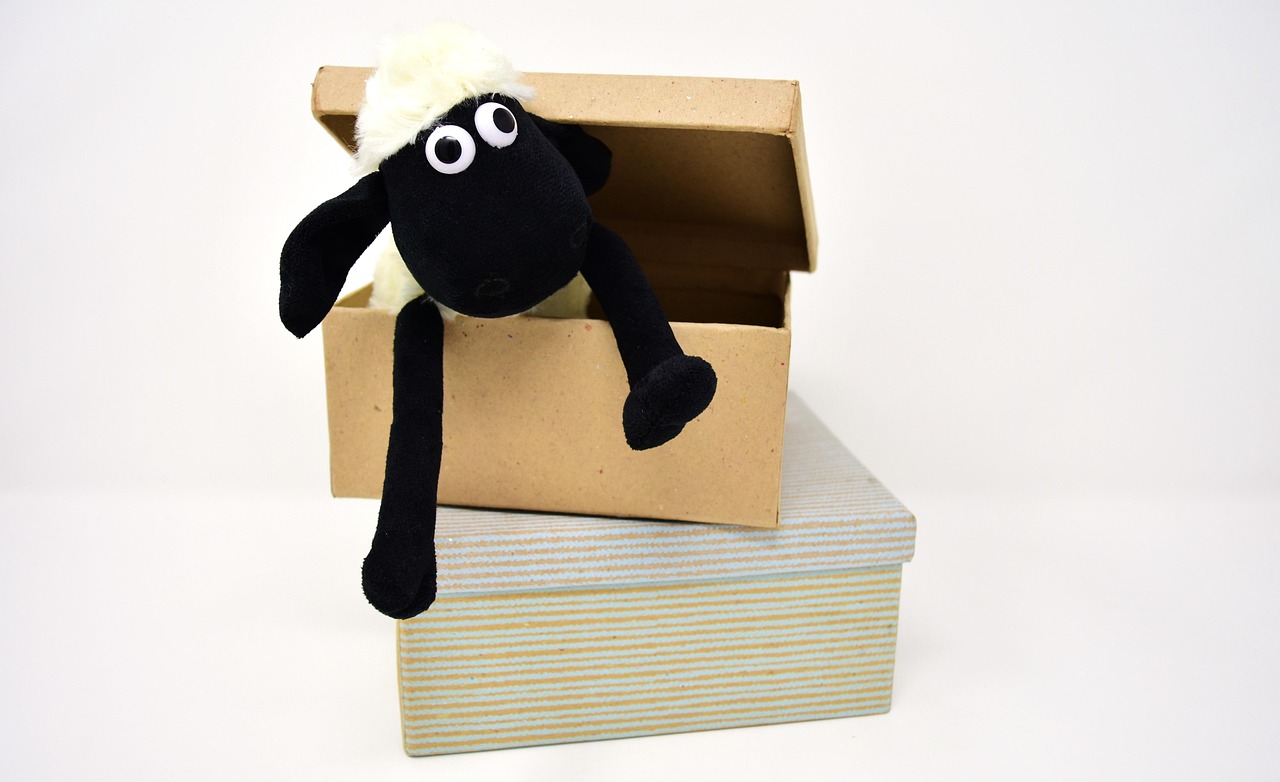
Every family I know has the same problem: the toy that came in the box gets ignored, and the box itself becomes the star. Instead of fighting it, lean in. A cardboard city is one of those rare projects that costs nothing, keeps kids busy for hours, and can be folded flat when the living room needs to be a living room again.
Start by collecting boxes for a week or two. Cereal boxes, shipping boxes, shoe boxes, paper towel tubes — they all have a job. Flatten everything and store it behind a couch or under a bed until you have a decent pile. When you're ready, clear a table or a patch of floor and set out the basics: masking tape, a couple of markers, and scissors for the grown-up hands.
Building the City Together
The trick to making this last longer than an afternoon is to build it in layers. First, lay out the roads. Long strips of cardboard or even painter's tape on the floor work fine. Then place the buildings: tall cereal boxes become apartments, short shoe boxes become shops, and tubes become towers or tunnels. Don't glue anything yet — let the kids rearrange the layout until it feels right.
Once the map is settled, hand over the markers. This is where kids surprise you. They'll draw windows, awnings, sidewalk chalk signs, tiny stick figures waiting at a bus stop. One of my kids insisted on adding a fire station with a working door made from a folded flap. Another drew a park with a pond that was really just a blue circle, but it mattered to her.
If you want the city to survive the week, reinforce the corners with extra tape on the inside. Flat pieces store easily; anything glued into a permanent shape becomes a tripping hazard. Keep a small bin nearby for loose parts — little cars, bottle-cap people, pipe cleaner trees — so cleanup is fast.
Keeping the Play Going
The real magic happens on day two or three, when the city gets a story. Suggest a problem: a storm is coming, the bakery ran out of bread, a parade needs a route. Kids will rebuild, reroute, and negotiate. You'll hear them solving problems you didn't know they could name.
When interest fades, don't throw it all out. Flatten the buildings, save the tubes, and put the bin away. In a month, someone will ask to build a new city, and you'll already have the materials. The best part? You never spent a dollar, and you recycled a week's worth of cardboard that would have gone straight to the curb.