
 Plant a container garden with the herbs and veggies that go on a pizza, and get kids excited about eating what they grow.
The Bedtime Basket: A 15-Minute Tidy System Kids Can Actually Run

If your evenings end with you stepping on a plastic dinosaur while begging everyone to just put things away, you are not alone. The problem usually isn't lazy kids. It's that "clean up your room" is a giant, vague command with no clear finish line. Kids stall because they genuinely don't know where to start, and parents burn out because they end up doing most of the work themselves.
The bedtime basket is a small fix for a big, recurring problem. The idea is simple: instead of asking kids to restore their entire room to perfect order every night, you give them one container and one clear job. Anything that belongs somewhere else in the house goes in the basket. Everything that belongs in the room gets put in its home. Whatever is left in the basket gets sorted the next morning, or during a five-minute family pass after breakfast.
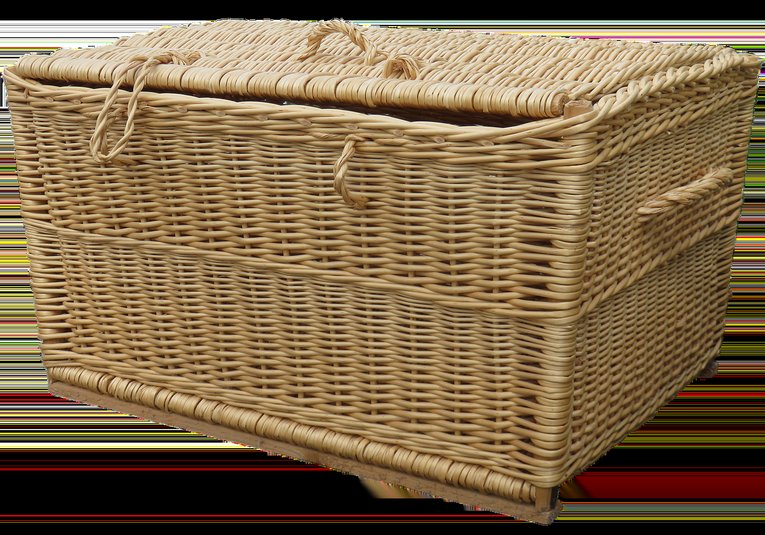
Start by picking a basket that is big enough to be useful but small enough that a seven-year-old can carry it without dragging it across the floor. A soft-sided laundry hamper or a sturdy tote works well. Label it with a name or a sticker so it has an obvious home of its own, because a basket with no home becomes clutter itself within a week.
How to Teach the Routine in Three Nights
On the first night, you run the basket while your child watches. Narrate what you're doing out loud: "This cup goes to the kitchen. This book goes on the shelf. This sock goes in the laundry." The goal is not speed. The goal is showing the sorting rules in action.
On the second night, your child sorts while you sit nearby and only help when asked. Expect some items to land in the wrong spot. Let it go. The habit matters more than perfect placement, and you can quietly fix the odd misplaced thing later.
By the third night, most kids can run the basket on their own while you handle something else nearby, like folding laundry. Being in the same room but not in charge is the sweet spot. Kids stay on task because you're present, but they feel ownership because you're not hovering.
A few tweaks make this work for different ages. Toddlers can do a simplified version where they just drop toys into one bin. Older kids can graduate to a "put away by category" version, where they handle books, clothes, and craft supplies in separate passes. Teenagers often respond better to a basket that lives in their room permanently and gets emptied weekly rather than nightly.
Why This Beats the Big Cleanup Blitz
The classic weekend cleanup marathon fails for the same reason crash diets fail. It's intense, it's unpleasant, and it doesn't build any habits. Fifteen minutes a night is short enough that nobody dreads it and consistent enough that the mess never reaches crisis level.
It also shifts the emotional tone of your evenings. When cleanup is a shared, predictable routine, it stops being a nightly argument and becomes just another step between dinner and stories. That change alone is worth the price of a basket.
Finally, the basket teaches a skill that outlasts childhood: sorting, deciding, and finishing a task. Those are the same muscles kids need for homework, chores, and eventually running their own homes. You are not just getting a tidier floor. You are handing your kids a system they can carry with them.